
Type a single word into Google from anywhere in Zimbabwe right now, and there is a strong chance it ends with odds, a fixture, or a bet slip. Betting-related searches now account for approximately 31% of all top search interest in the country. Not news. Not sports scores. Not job listings. Betting platforms. One platform, MWOS, generates more search traffic than WhatsApp, YouTube, or Facebook combined. That is not a footnote. That is the story.
So how did online gambling become Zimbabwe’s dominant digital activity, and what does it tell us about the economy, the culture, and the choices being made, or not made, at the policy level?
The Numbers Behind Zimbabwe’s Betting Boom
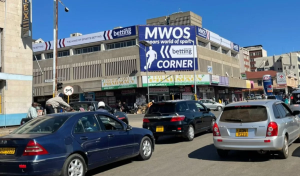 The scale of this shift is difficult to overstate. Searches for Premier Bet surged 500% year-on-year. AfricaBet recorded 90% growth over the same period. By 2024, Zimbabwe had an estimated 300,000 active online bettors. The industry generated approximately US$120 million in revenue in 2023 alone.
These are not the numbers of a niche hobby. This is a structural feature of how Zimbabweans are using the internet and the smartphones in their pockets every single day.
To put it in context: mobile internet penetration in Zimbabwe has grown rapidly over the past five years, driven largely by affordable Android devices and competitive mobile data packages from Econet, NetOne, and Telecel. That connectivity was supposed to unlock e-commerce, remote work, digital education, and fintech. For hundreds of thousands of Zimbabweans, it has primarily unlocked a betting account.
Understanding the Pull in a Constrained Economy
This is where the analysis has to be honest, not moralistic.
Betting is not growing in Zimbabwe because Zimbabweans lack discipline or foresight. It is growing because the formal economy has failed to provide reliable income pathways for a young, educated, digitally connected population. When employment is scarce, salaries are unpredictable, and savings erode faster than they accumulate, a bet carrying 10x returns on a Sunday afternoon Premier League fixture starts to look like rational financial behaviour.
It is not rational, of course. The house always wins at scale. But the psychological pull is real, and it is rooted in genuine economic desperation rather than simple recklessness.
Platforms like MWOS, Premier Bet, and AfricaBet have also invested heavily in user experience. Their apps are fast, lightweight, and mobile-optimised – often better designed than the digital services offered by banks or government institutions. They send push notifications. They offer free bets and bonus credits. They are built, deliberately, to maximize engagement and retention. They are very good at what they do.
Debt, Dependency, and Digital Addiction
The industry’s growth has a shadow side that is not yet being talked about loudly enough in Zimbabwe’s public discourse.
Problem gambling is a clinical reality. The Diagnostic and Statistical Manual of Mental Disorders (DSM-5) classifies gambling disorder as an addictive condition with measurable neurological effects – the same dopamine-reward loops activated by substance dependence. In environments where betting is constant, accessible, and socially normalized, the risk of problematic use rises sharply.
Zimbabwe currently has no publicly funded gambling addiction support infrastructure. There is no national helpline. There is no mandatory responsible-gambling messaging requirement for licensed operators. There are no self-exclusion databases. The regulatory architecture that exists is built primarily to license operators and collect tax revenue, not to protect users.
That gap matters. Because behind every search for “MWOS login” or “Premier Bet registration” is a real person making a financial decision inside an ecosystem that is not designed with their long-term well-being in mind.
The Government’s Complicated Position
Here is the tension that makes this story genuinely difficult to resolve. Zimbabwe’s government has a direct financial stake in the betting industry continuing to grow.
Betting operators are licensed and taxed. Revenue flows to the Zimbabwe Revenue Authority (ZIMRA). In a fiscally constrained environment, that income is not trivial. Aggressive regulation that reduces industry volume also reduces tax receipts. This is a conflict of interest that few officials are willing to name openly, but it shapes every policy conversation about the sector.
A more honest public debate would acknowledge this tension rather than pretend it does not exist. Regulation that protects consumers while preserving a sustainable, accountable industry is possible. Other markets, including Kenya and South Africa, have moved further down that road. Zimbabwe has not.
What Needs to Happen Next
The fact that MWOS is Zimbabwe’s most-searched term is not inherently a crisis. It is a signal. What matters is whether policymakers, platform operators, civil society, and the media choose to read that signal honestly.
A responsible path forward would include mandatory responsible-gambling disclosures on all platforms, investment in publicly accessible mental health and financial counselling services, transparent public reporting on gambling revenue and its social costs, and a genuine policy conversation about what kind of digital economy Zimbabwe wants to build.
The internet came to Zimbabwe with enormous promise. Whether it becomes a vehicle for extracting money from vulnerable people or a platform for genuine economic participation is still a choice. But it is a choice that needs to be made deliberately, and soon.
What do you think? Is Zimbabwe’s betting boom a symptom of economic failure, a personal freedom issue, or something the government needs to regulate more tightly? Tell us in the comments or join the conversation on our WhatsApp channel.